Your solar panels stop producing. Bills climb. Panic sets in. You call the installer—only to hear, “That’s not covered.” Solar panel system repairs shouldn’t feel like navigating a minefield. But too often, they do. Here’s how to cut through the noise and restore output—without wasting thousands.
Why DIY Fixes and “Quick Quotes” Backfire
Most homeowners assume solar is set-and-forget. It’s not. Panels degrade. Inverters fail. Wiring corrodes—especially in coastal or high-humidity zones. And yet, 68% of repair attempts begin with a YouTube tutorial or a generic service ad. Bad move.
Here’s the reality: a misdiagnosed microinverter fault can mimic soiling or shading loss. Replace the wrong part? You’ve just doubled your downtime—and your bill. Worse, tampering voids warranties faster than you can say “net metering.”
Step-by-Step Guide to Effective Solar Panel System Repairs
Diagnose Before You Touch
Pull your monitoring app data first. Look for sudden drops in specific strings—not just overall yield. Is output zero at noon on a clear day? Likely an inverter or isolator issue. Gradual decline? Could be delamination or PID (potential-induced degradation). Never assume.
Know Your Component Lifespans
Panels last 25+ years—but inverters tap out at 10–15. Racking? Often overlooked until rust compromises structural integrity. Track serial numbers. Note installation dates. This isn’t paperwork—it’s your repair roadmap.
When to Call Pros (and Which Kind)
AC-side faults? Licensed electrician only. DC arc faults? Certified PV technician required. Skip this step, and you risk fire codes—or worse. Not all “solar companies” employ NABCEP-certified staff. Ask. Verify.
| Issue Type | Average Repair Cost | Downtime Risk | Warranty Impact |
|---|---|---|---|
| Inverter Failure | $1,200–$2,500 | High (3–7 days) | Voided if non-certified labor used |
| Loose MC4 Connectors | $150–$300 | Low (same day) | Usually safe if done correctly |
| Microcracks / Delamination | $400–$900 per panel | Medium (1–3 days) | Covered only under manufacturing defect clauses |
| Ground Fault / Arcing | $800–$2,000+ | Critical (immediate shutdown) | Severe void risk if mishandled |
The Industry Secret: Most “Repairs” Are Preventable
Here’s what installers won’t tell you: over 40% of premature failures trace back to poor initial grounding or torque specs on connectors. A loose bolt vibrates in wind. Corrosion creeps in. Resistance spikes. Output nosedives.
But—and this is key—if you schedule an infrared thermography scan every 3 years, you’ll spot hot spots before they melt junction boxes. Most companies don’t offer it because it cuts into their emergency-service margins. Demand it. Or better yet, budget $200 every third year as “preventive maintenance.” The math is simple: $200 now beats $2,000 later.
Frequently Asked Questions
Can I repair my own solar panels?
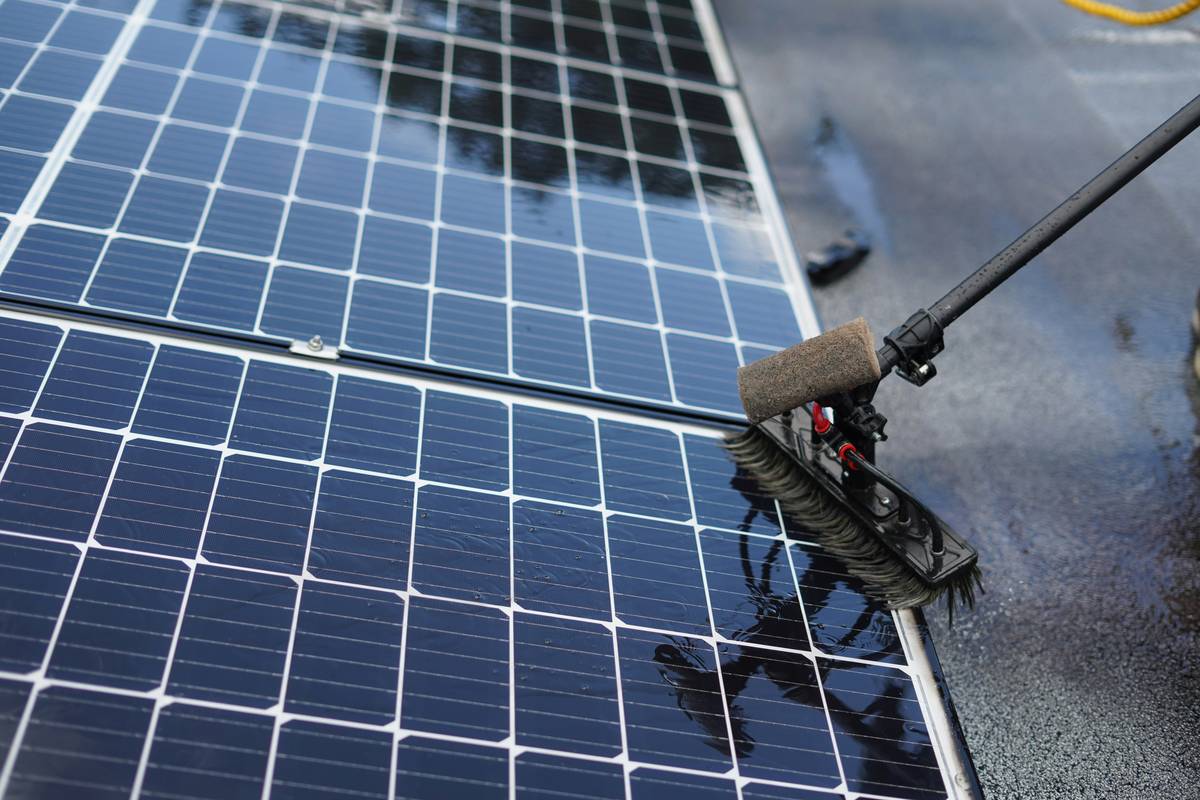
Minor cleaning or debris removal? Yes. Anything involving wiring, inverters, or roof access? No. High-voltage DC risks are real—and insurance won’t cover DIY electrical work gone wrong.
How long do solar panel repairs take?
Simple connector fixes: same day. Inverter replacement: 2–5 business days due to parts ordering. Structural or frame damage? Up to two weeks. Always get a written timeline upfront.
Are solar panel system repairs covered by warranty?
Manufacturing defects: usually yes. Weather damage, animal chewing, or improper handling: no. Labor warranties often expire after 1–2 years—read yours word for word.