Your solar panels are losing efficiency—quietly, invisibly. Dust builds up. Micro-cracks spread. Wiring degrades under UV assault. Yet most homeowners assume “install and forget.” That’s how you bleed 20%+ output over five years without ever noticing. The fix? Proactive solar energy panel maintenance—not panic repairs after your bill spikes.
Why Standard Solar Maintenance Advice Fails You
Most guides tell you to “rinse with water” or “check once a year.” Cute. But real-world degradation isn’t that tidy. Thermal cycling fatigues solder joints. Bird droppings etch glass under magnified sun. Inverters silently throttle output when DC isolators corrode.
And here’s the kicker: many installers push annual service contracts that skip thermal imaging—the only way to spot hot spots before cells fail. You’re paying for a wipe-down while hidden damage compounds. Think about it. Would you skip oil changes because your car still starts?
Solar Energy Panel Maintenance: A No-Nonsense Action Plan
Forget fluff. This is what actually preserves output and lifespan:
Quarterly Visual & Performance Checks
Open your monitoring app every Sunday morning. Compare daily kWh to the same week last month. A >5% drop with similar weather? Investigate. Then walk under the array—look for discoloration, debris, or critter nests at the racking edges.
Biannual Deep Cleaning (Timing Matters)
Clean at dawn or dusk—never midday. Hot panels + cold water = microfractures. Use deionized water if your area has hard water; mineral deposits scatter light. Skip brushes—they scratch anti-reflective coatings. A squeegee with a soft rubber edge works better.
Annual Professional Diagnostics
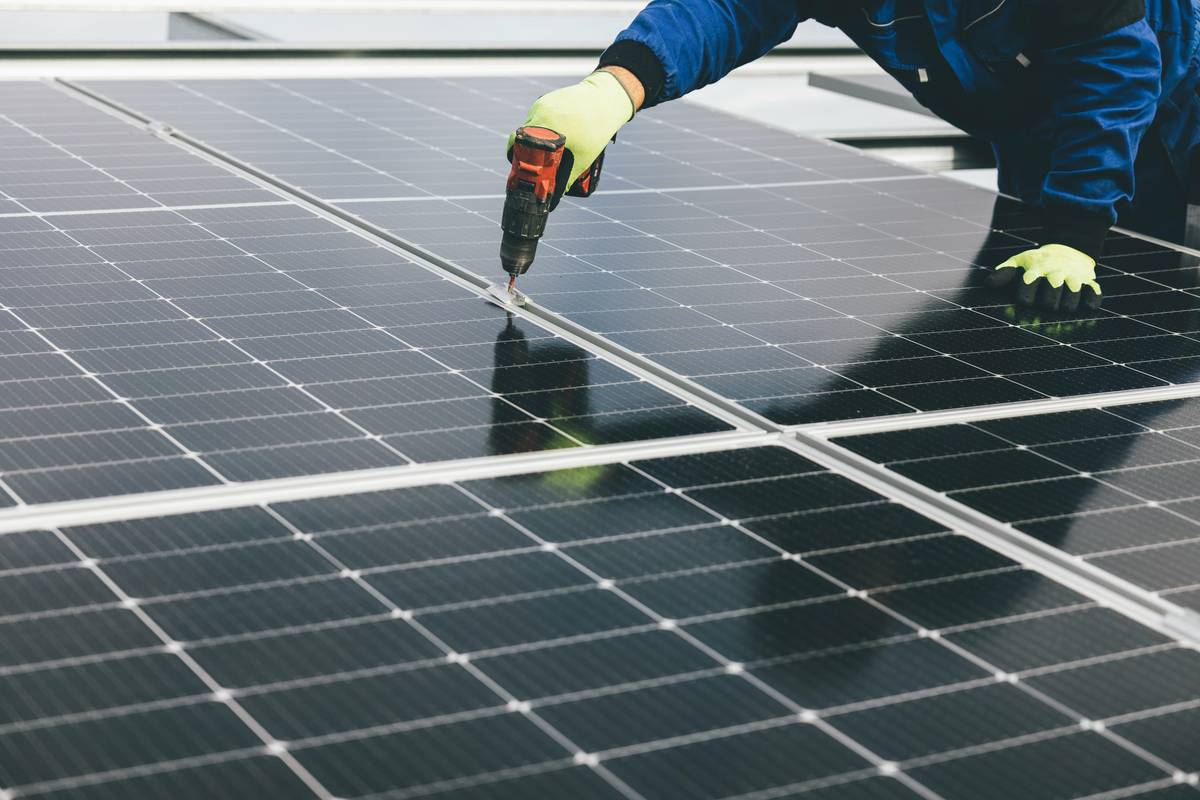
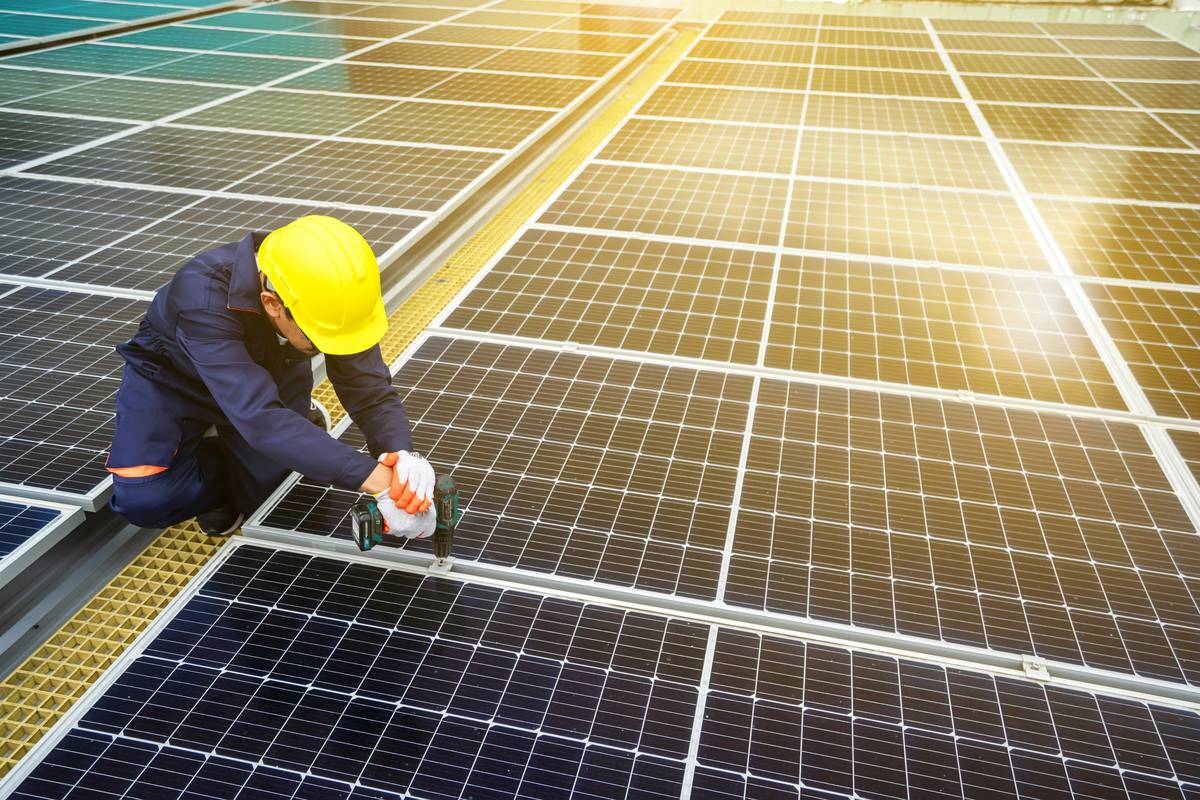
This isn’t optional. Hire a tech with an infrared camera. They’ll spot bypass diode failures or PID (Potential Induced Degradation) before your warranty expires. Most manufacturers void coverage if you can’t prove scheduled maintenance.
| Maintenance Task | DIY Feasible? | Avg. Cost (Professional) | Impact on Efficiency |
|---|---|---|---|
| Visual inspection & cleaning | Yes (with caution) | $75–$150/year | +3% to +8% |
| Electrical connection torque check | No | $120–$200/year | +2% to +5% (prevents arcing loss) |
| Thermal imaging scan | No | $200–$350/year | +5% to +12% (catches cell-level faults) |
| Inverter firmware update | Rarely | Included in service | +1% to +3% (optimizes MPPT tracking) |
The Industry Secret Nobody Talks About
Panel warranties cover materials—but not labor. If a junction box fails at year 9, the manufacturer might send a free replacement module. But you’ll pay $400+ just to de-energize the array, remove old panels, and reinstall. Smart owners budget $150/year into a “solar repair fund.” It covers unexpected labor and turns catastrophic bills into minor line items. The math is simple: prevention beats replacement—every time.
FAQ
How often should I clean my solar panels?
Every 6 months in dusty/dry climates; annually in rainy areas. But always verify with performance data—don’t clean on a schedule alone.
Can dirty panels void my warranty?
Indirectly, yes. Excessive soiling causes hot spots that accelerate degradation. If unaddressed, manufacturers may claim “negligent maintenance” and deny claims.
What’s the #1 sign I need professional solar energy panel maintenance?
A sustained 10%+ drop in daily energy production with no change in weather patterns. Don’t wait—it’s often a symptom of underlying electrical faults.