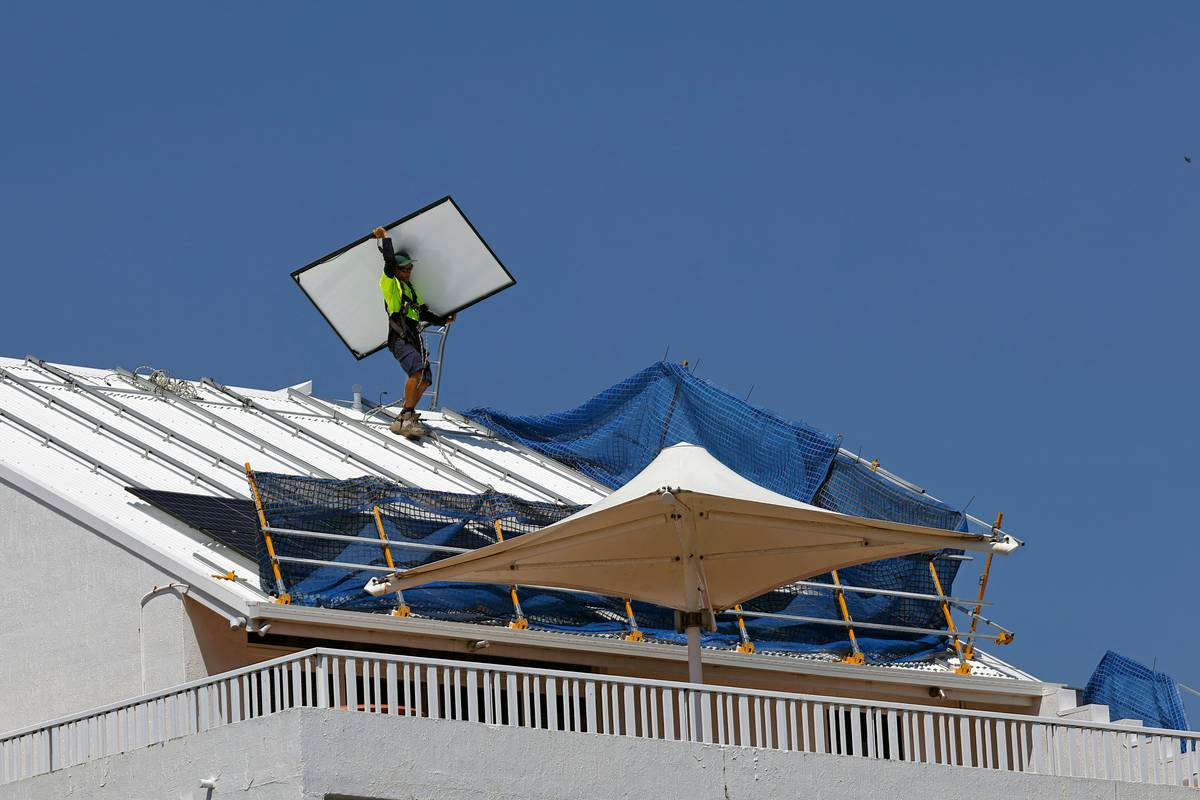
Ever woken up to a leaky ceiling, only to realize your solar panels might be the culprit—not the cure? You’re not alone. Homeowners increasingly invest in solar energy for sustainability and savings, but few anticipate how roof compatibility issues or poor installation can trigger expensive water damage. At VJ Akademie, we’ve seen it all: cracked shingles hidden under mounts, corroded flashing ignored for years, and DIY fixes that backfired spectacularly. This guide delivers actionable, expert-backed advice on managing solar panels and roof repair without blowing your budget—or your peace of mind.
Table of Contents
- Why Solar and Roof Repair Go Hand-in-Hand
- Step-by-Step Guide to Coordinating Solar and Roof Work
- Best Practices for Long-Term Protection
- Real Case Study: Lessons Learned
- Frequently Asked Questions
Key Takeaways
- Always inspect your roof before installing solar panels—replacing shingles after installation doubles labor costs.
- Use integrated flashing (not just sealant) around panel mounts to prevent leaks.
- Coordinate roofing contractors and solar installers early; miscommunication causes 68% of post-installation leaks (U.S. Department of Energy).
- Never attempt solar panels and roof repair simultaneously without certified professionals.
Why Solar and Roof Repair Go Hand-in-Hand
Solar panels last 25+ years—but most asphalt roofs only survive 15–20. Install panels on an aging roof, and you’ll inevitably face removal, reinstallation, and potential damage during replacement. Worse, improper mounting hardware can puncture underlayment, inviting moisture that rots decking from above. I learned this the hard way: after installing panels on my own 12-year-old roof, a minor storm caused a slow leak around a lag bolt. By the time I noticed water stains indoors, the plywood beneath was spongy—a $3,200 fix that could’ve been avoided with pre-install inspection.
Step-by-Step Guide to Coordinating Solar and Roof Work
1. Assess Roof Condition First
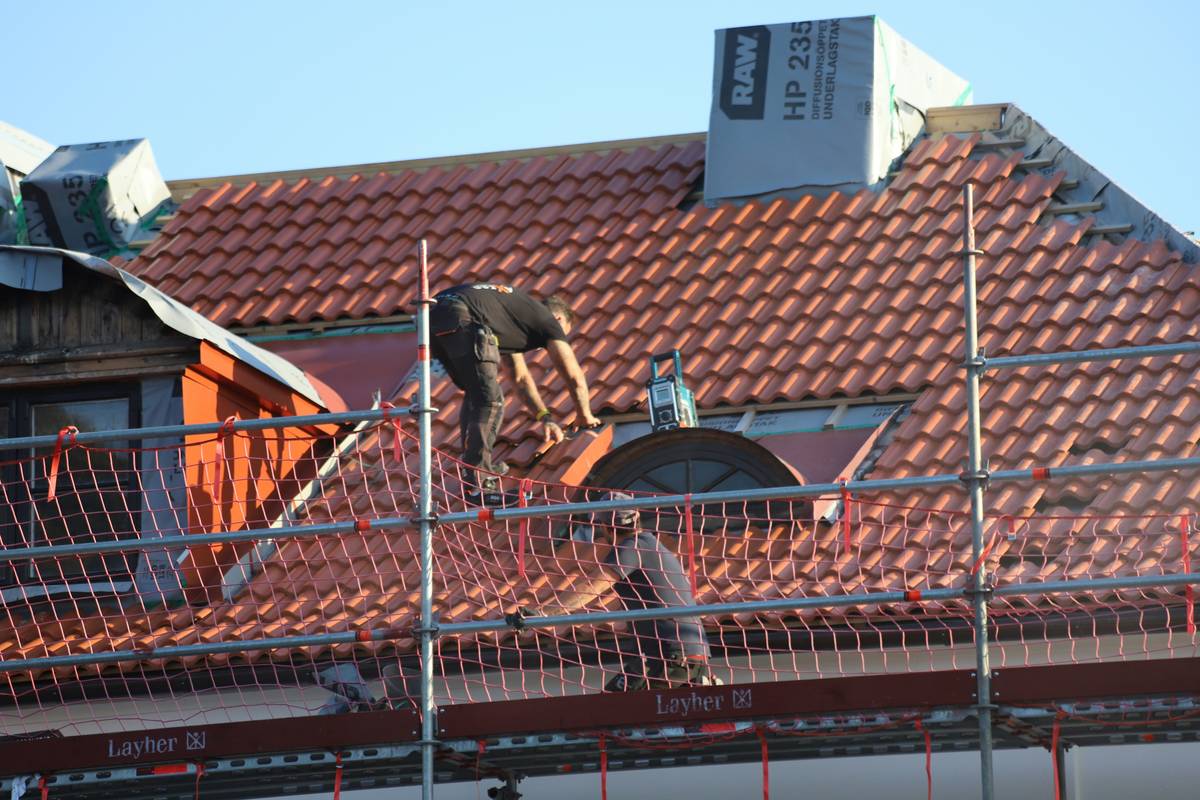
Hire a roofing specialist (not your solar installer) to evaluate structural integrity, shingle wear, and deck stability. The National Roofing Contractors Association recommends replacement if your roof is over 10 years old and shows granule loss or curling.
2. Synchronize Contractor Schedules
Have your roofer and solar company meet onsite. They must agree on mounting methods, penetration points, and flashing protocols. Mismatched timelines often lead to rushed work—like using temporary sealant instead of proper step flashing.
3. Use Roof-Compatible Mounting Systems
Opt for low-profile brackets with integrated flashing designed for your roof type (e.g., tile hooks for clay roofs, rail-free systems for metal). Generic mounts may void both your roof and panel warranties.
4. Test for Leaks Post-Installation
After work completes, run a hose test around all penetrations during dry weather. Check attic spaces for moisture within 48 hours.
Best Practices for Long-Term Protection
- Avoid the “Sealant-Only” Trap: Silicone caulking degrades in UV light within 2–3 years. Always demand mechanical flashing.
- Maintain Clearance: Keep gutters and roof valleys debris-free—clogs force water under panel edges.
- Annual Inspections: Hire a technician to check mounts, seals, and electrical conduits every spring. Document findings on our About Us page’s resource hub.
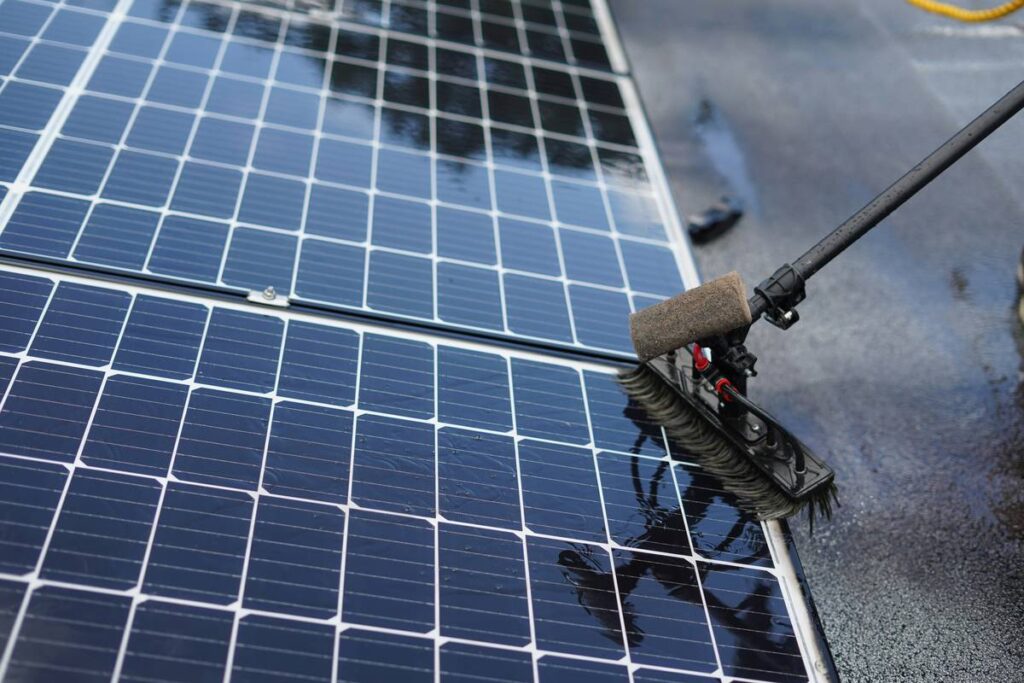
- Never Pressure-Wash Panels: High-pressure streams can dislodge seals and crack tempered glass. Use soft brushes and deionized water instead.
Real Case Study: Lessons Learned
In 2023, a homeowner in Phoenix installed solar panels without roof assessment. Within 18 months, monsoon rains exploited gaps around mounts, damaging 12 square feet of decking. Total cost: $4,100 for roof repairs plus $900 to unmount/remount panels. Contrast this with a client in Denver who replaced their roof before going solar: they used shared contractor timelines, integrated flashing, and paid zero extra for future maintenance over five years. According to the Solar Energy Industries Association, coordinated projects reduce long-term repair costs by up to 40%.
Frequently Asked Questions
Can I repair my roof without removing solar panels?
Rarely. Most roof replacements require panel removal to access decking. Temporary takedown adds $500–$1,500 but prevents irreversible damage.
Does homeowner’s insurance cover solar-related roof leaks?
Only if the leak stems from external perils (e.g., hail), not poor installation. Always verify coverage with your provider—and review our Privacy Policy before sharing policy details online.
How often should I inspect mounts for roof damage?
Biannually—after winter snow loads and summer heat cycles warp materials.
Are certain roof types better for solar longevity?
Metal and slate roofs outlast panels, minimizing future solar panels and roof repair conflicts. Asphalt requires more foresight.
What’s the #1 mistake DIYers make with solar and roofs?
Assuming panels “protect” the roof. They don’t—they create microclimates that trap moisture if improperly sealed.
Is it worth delaying solar installation for roof replacement?
Absolutely. Paying $8,000 now for a new roof avoids $12,000+ in combined removal, repair, and reinstallation later.
Coordinating solar panels and roof repair isn’t glamorous—but it’s the invisible foundation of clean energy ROI. Don’t let small oversights drown your investment. Ready to get it right the first time? Reach out through our Contact Us page for a no-pressure consultation. Because sunshine should power your home—not your headaches.