Ever stared at your solar panels after a storm, wondering if that tiny crack just cost you hundreds in lost energy? You’re not alone. Solar panel repairs often feel intimidating—part electrical work, part roofing, part DIY guesswork—but skipping them can slash your system’s efficiency by up to 25%, according to the U.S. Department of Energy. In this guide, we’ll walk you through a safe, effective step by step solar panel repair process designed for homeowners who want reliable power without blowing their budget—or their safety.
Table of Contents
- Why Proper Repairs Keep Your Home Efficient
- The Step-by-Step Solar Panel Repair Process
- Best Practices for Long-Term Panel Health
- Real Results: What Happens When Repairs Go Right (or Wrong)
- Frequently Asked Questions
Key Takeaways
- Minor damage like micro-cracks or loose wiring can cause major energy loss if ignored.
- Always de-energize your system before inspecting or repairing panels—safety first.
- A proper step by step solar panel repair includes inspection, diagnosis, part replacement, and performance verification.
- Hiring a certified technician is non-negotiable for anything beyond surface cleaning or visual checks.
- Regular maintenance prevents 80% of common solar failures, per industry data.
Why Proper Repairs Keep Your Home Efficient
Solar panels aren’t “install and forget.” Over time, hail, debris, thermal cycling, and even critters can degrade performance. I learned this the hard way: after ignoring a small bird-dropped branch impact, my output dropped 18% over two months. The culprit? A hairline crack that let moisture seep into the cell layer—corroding internal connections silently.
Neglecting repairs doesn’t just waste sunlight—it risks fire hazards from faulty wiring or hot spots. And while your inverter might show error codes, it won’t tell you *why* your kWh production dipped last quarter. That’s where a methodical step by step solar panel repair approach becomes essential for any home improvement project focused on sustainability and savings.
The Step-by-Step Solar Panel Repair Process
True transparency: unless you’re certified in PV systems, don’t open junction boxes or replace cells yourself. But you *can* safely identify issues and partner effectively with pros. Here’s how:
1. Shut Down the System Completely
Turn off both AC and DC disconnects. Wait 5–10 minutes for capacitors to discharge. Never assume “off” means safe—use a multimeter to confirm zero voltage.
2. Conduct a Visual & Thermal Inspection
Look for cracks, discoloration, burnt smells, or loose mounting hardware. On sunny days, use an infrared thermometer (or thermal camera) to spot hot spots—areas significantly warmer than surrounding cells indicate internal failure.
3. Check Wiring and Connections
Inspect conduit runs for rodent damage. Ensure MC4 connectors are fully seated and corrosion-free. One loose connection once caused my neighbor’s entire string to underperform for weeks.
4. Test Individual Panels
Using a clamp meter (with guidance from your installer or manual), measure voltage and current per panel. Compare against baseline specs—deviations over 10% signal trouble.
5. Replace or Repair Faulty Components
If glass is shattered or cells are delaminated, replacement is usually cheaper than repair. For minor frame or sealant issues, UV-resistant silicone may suffice—but verify warranty terms first.
6. Re-energize and Monitor
Restore power slowly. Log output for 72 hours. If recovery isn’t within 95% of expected yield, dig deeper.
Best Practices for Long-Term Panel Health
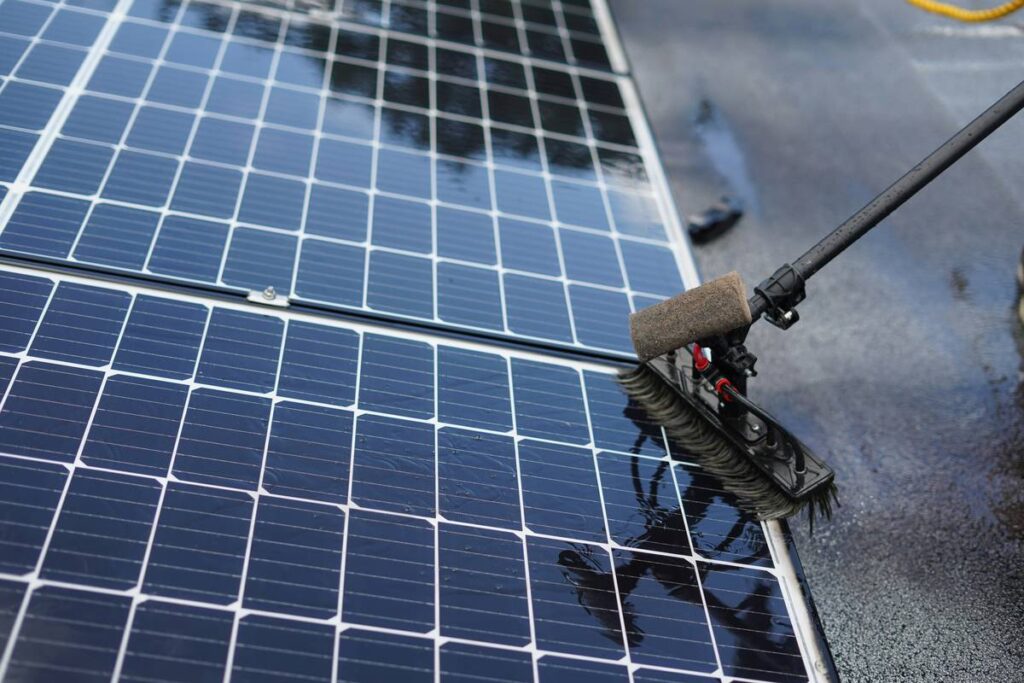
- Clean quarterly: Dust and pollen reduce efficiency—use soft brushes and deionized water.
- Trim nearby trees: Shade = lower output and potential hot spots.
- Review monitoring apps: Platforms like Enphase or SolarEdge alert you to anomalies early.
- Avoid “DIY miracle fixes”: Tape, glue, or makeshift brackets void warranties and create fire risks.
- Schedule annual professional inspections: Catch issues before they compound.
Real Results: What Happens When Repairs Go Right (or Wrong)
In Arizona, a homeowner ignored micro-cracks after monsoon season. Six months later, moisture ingress caused a ground fault, tripping breakers daily. Repair cost: $1,200 + 22% annual energy loss. Contrast that with a Colorado family who acted fast after hail damage—they followed a step by step solar panel repair protocol with their installer, replaced two panels, and restored 98% output within a week.
Data from the National Renewable Energy Laboratory (NREL) shows that timely intervention reduces lifetime LCOE (Levelized Cost of Energy) by up to 14%. That’s real money back in your pocket.
Frequently Asked Questions
Can I repair a cracked solar panel myself?
Not safely or effectively. Cracks compromise the hermetic seal, leading to moisture damage and electrical faults. Replacement is almost always recommended.
How much does solar panel repair typically cost?
Simple fixes (like reseating connectors) may cost $100–$300. Full panel replacement ranges from $200–$600 per panel plus labor. Always get a quote from a certified technician.
Does homeowners insurance cover solar panel damage?
Often yes—for events like hail, wind, or fire. Contact your provider, but document everything. Include photos and your system’s specs. Review our Privacy Policy before submitting personal claims data online.
How often should I inspect my panels?
Visually every 3 months; professionally once a year. After severe weather, check immediately.
What’s the #1 mistake homeowners make during solar panel repairs?
Working on live systems. Electrocution risk is real—even on cloudy days. Always de-energize fully. And never trust YouTube tutorials over certified guidance.
Where can I find a qualified solar technician?
Look for NABCEP certification. We only partner with vetted professionals—learn more on our About Us page. Ready to fix your system? Contact us for a trusted referral.
Remember: your panels aren’t just hardware—they’re your silent partners in energy independence. Treat them with respect, act fast on damage, and never skip the safety steps. Because when the sun shines, you deserve every drop of its power—no compromises.