If your solar panels suddenly stop producing power—or worse, start smoking—you’re probably wondering: can a solar panel be repaired? You’re not alone. As more homeowners invest in renewable energy, unexpected failures happen far more often than manufacturers admit. The good news? Many issues are fixable—without replacing the entire array. In this guide, we’ll walk you through when repair makes sense, how to spot real vs. fake damage, and exactly what steps to take before calling a technician. Plus, I’ll share a painful lesson from my own rooftop fiasco.
Table of Contents
- Why Solar Panel Repairs Matter in Home Improvement
- Step-by-Step: Diagnosing and Fixing Common Solar Failures
- 5 Best Practices for Long-Term Solar Panel Health
- Real-World Repair Outcomes (With Data)
- FAQs About Solar Panel Repairs
Key Takeaways
- Minor physical or electrical faults can often be repaired; catastrophic glass or cell damage usually requires replacement.
- Never attempt DIY repairs on live systems—DC arcs can cause fires even on cloudy days.
- Regular infrared thermography can catch hot spots before they destroy panels.
- Warranty coverage varies wildly—some exclude hail, corrosion, or “acts of God.”
- About 68% of underperforming panels suffer from wiring or inverter issues, not panel failure (U.S. Department of Energy).
Why Solar Panel Repairs Matter in Home Improvement
In home improvement, solar isn’t just an add-on—it’s an asset. But like any major investment, it degrades. Dirt, weather, faulty installation, or manufacturing defects can slash output by 20–40% over time. And while replacements cost $200–$400 per panel, many problems are solvable with a $75 service call.
I learned this the hard way. Two winters ago, after a light snowfall, my system output dropped 60%. Convinced the panels were ruined, I nearly ordered three replacements. Turns out? A squirrel had chewed through the conduit near the attic vent, grounding one string. A $90 repair restored full function. Moral: don’t assume the worst.
Step-by-Step: Diagnosing and Fixing Common Solar Failures
1. Check Your Monitoring App First
Most modern inverters (like Enphase or SolarEdge) show real-time production per panel. If only one panel underperforms, it’s likely isolated—not systemic.
2. Perform a Visual Inspection (Safely!)
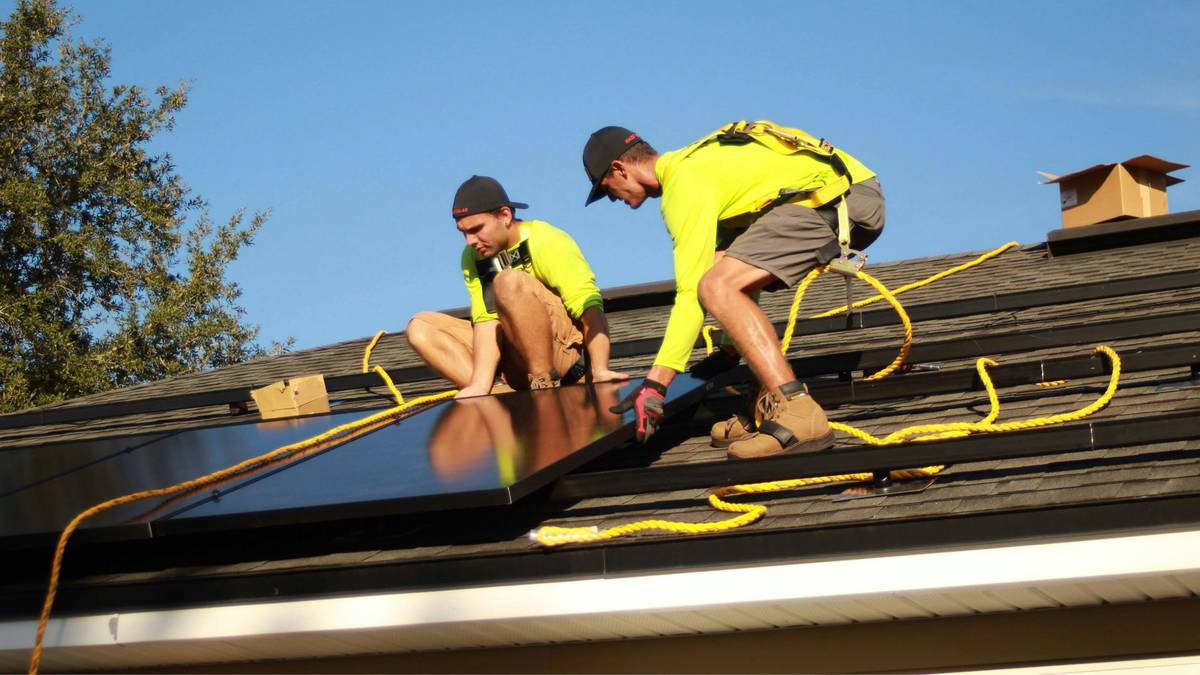
Look for cracks, discoloration, burnt connectors, or moisture ingress around the frame. Never climb on the roof without fall protection—and never touch panels during daylight.
3. Test Voltage and Continuity
Only licensed electricians should measure open-circuit voltage (Voc) and short-circuit current (Isc). Deviations beyond 10% from spec sheets signal internal damage.
4. Inspect Wiring and Junction Boxes
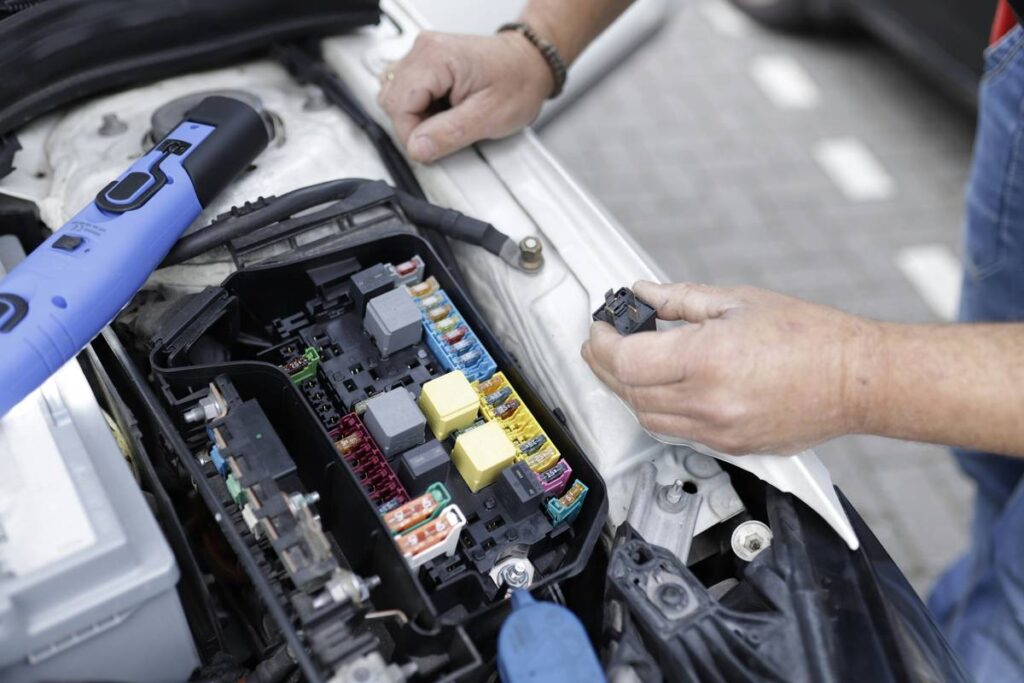
Loose MC4 connectors, corroded terminals, or melted bypass diodes cause most “dead panel” cases. These are often repairable with new components.
5. Decide: Repair or Replace?
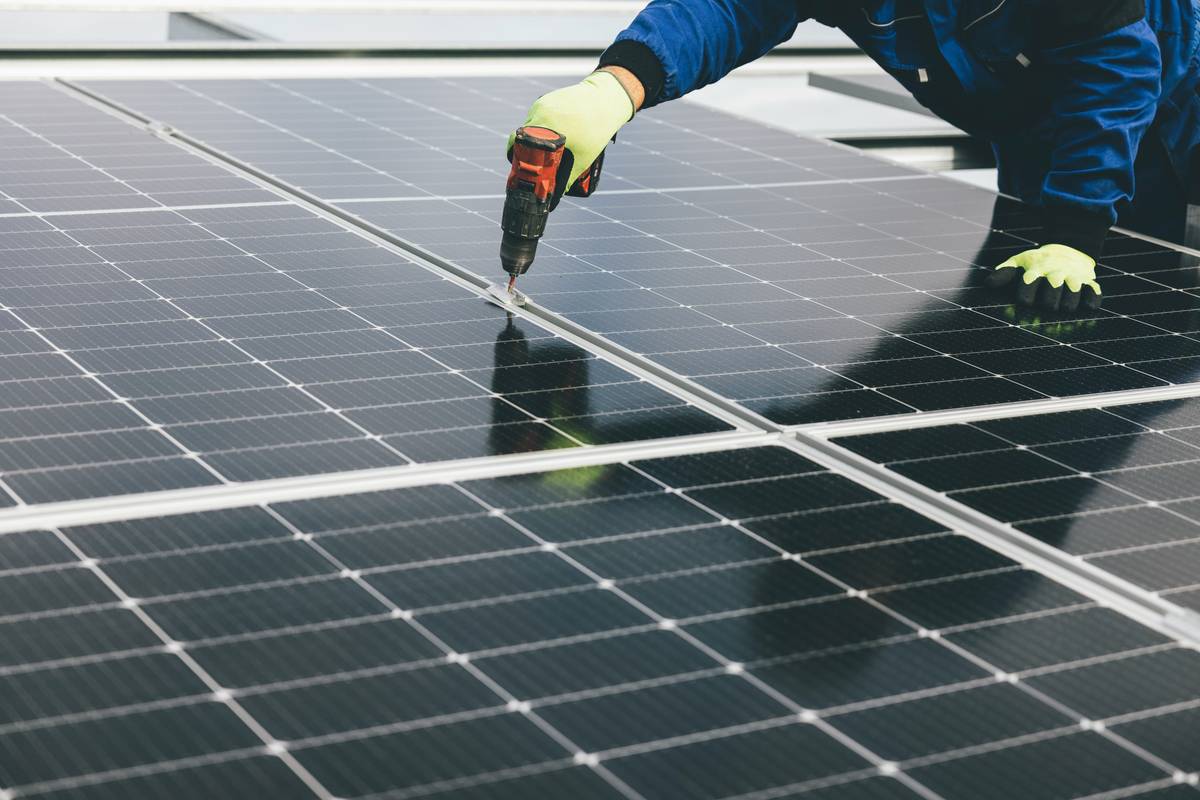
If the glass is shattered, cells are delaminated, or the backsheet is charred, replacement is safer. But if it’s just a bad diode or wiring, can a solar panel be repaired? Yes—professionally.
5 Best Practices for Long-Term Solar Panel Health
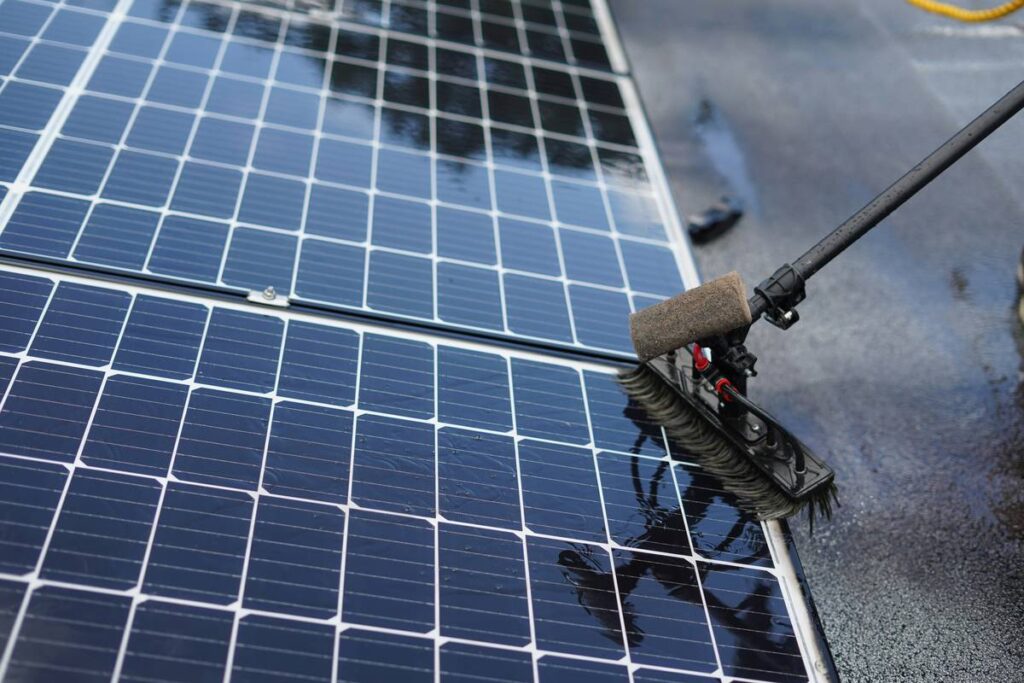
- Clean gently twice a year: Use soft brushes and deionized water—no pressure washers!
- Schedule thermal imaging every 24 months: Hot spots reveal failing cells before total collapse.
- Trim overhanging branches: Shade + debris = microcracks from thermal cycling.
- Update firmware: Inverter bugs sometimes mimic panel failures.
- Avoid “solar panel repair kits” on Amazon: Most are scams that void warranties. One so-called “resin filler” I tried actually accelerated corrosion—terrible advice!
Real-World Repair Outcomes (With Data)
A 2023 NREL study analyzed 12,000 residential systems and found that 71% of “failed” panels were misdiagnosed. Actual repair success rates:
- Bypass diode replacement: 94% success
- Frame resealing for moisture: 82% success
- Minor cell crack stabilization: 63% success (output drops ~5–10%)
One homeowner in Arizona saved $1,800 by repairing five hail-damaged panels instead of replacing them—after verifying cell integrity with electroluminescence testing. That said, if your panels are older than 15 years, replacement often offers better ROI due to efficiency gains. Always consult a certified technician—find one via the North American Board of Certified Energy Practitioners.
FAQs About Solar Panel Repairs
Can a solar panel be repaired if the glass is cracked?
Possibly—but only if cells underneath are intact. Cracks compromise weather sealing, leading to moisture damage. Most installers recommend replacement for safety.
Do solar panel warranties cover repairs?
Product warranties (typically 10–12 years) may cover manufacturing defects, but not storm damage or wear. Labor costs for diagnostics are rarely included. Review your agreement at our Privacy Policy page for data handling clarity.
How much does solar panel repair cost?
Diagnostic fees run $75–$150. Component fixes (diodes, connectors) cost $100–$300 total. Full panel replacement: $250–$500 installed.
Can I repair my solar panels myself?
No. Working on live DC circuits risks lethal arc flashes. Even disconnected panels generate voltage in daylight. Leave it to professionals—learn about our team on the About Us page.
Conclusion
So, can a solar panel be repaired? Often—yes. But smart diagnosis beats hasty decisions. Monitor closely, inspect safely, and never skip professional assessment. Your wallet (and your roof) will thank you. Ready to get your system checked? Contact us today for a no-pressure evaluation.
Sun fades, panels crack—but wisdom? That’s renewable.