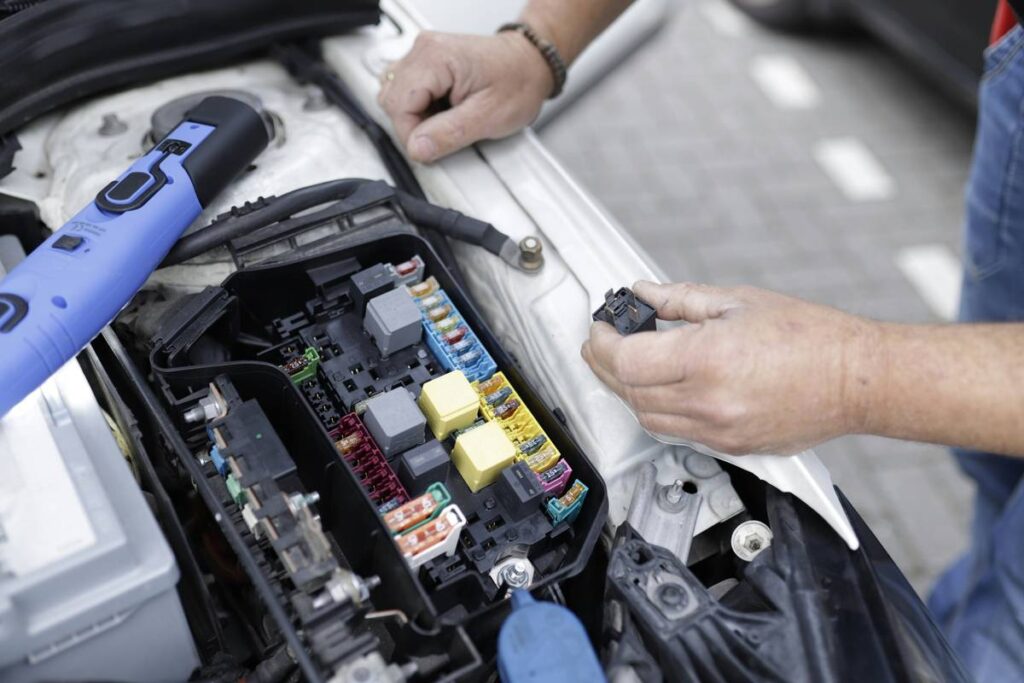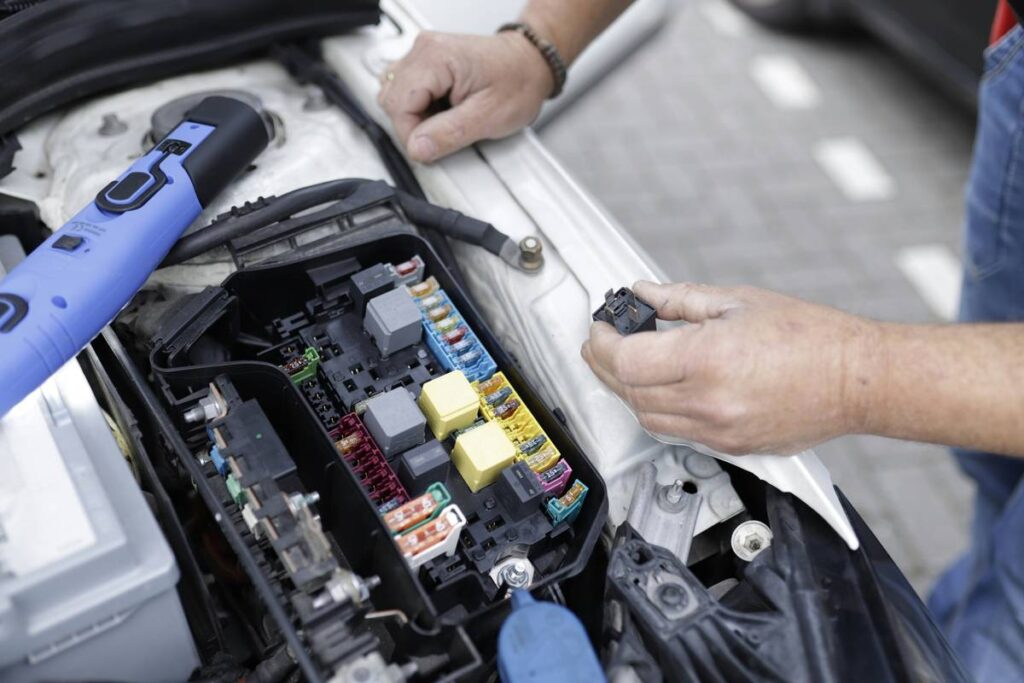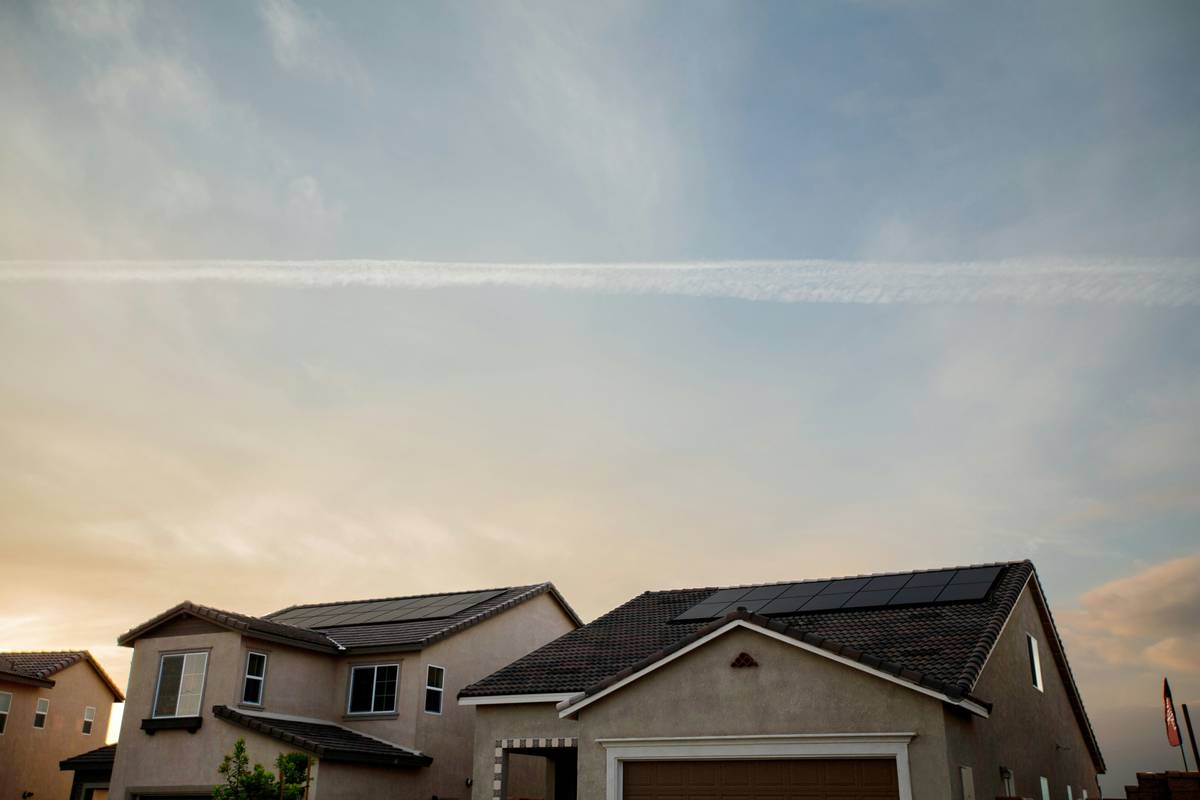
What if your solar panels—installed to save money and power your home cleanly—started silently underperforming… and you didn’t notice for months? I’ve been there. After installing a rooftop array in 2021, I assumed “set it and forget it” applied. Spoiler: it doesn’t. One cracked junction box from a summer hailstorm dropped my output by 32%, but I only caught it during a routine inspection six weeks later. That’s why understanding solar energy panels home benefits goes beyond just installation—it demands proactive care.
In this guide, we’ll unpack exactly how solar panel repairs and maintenance unlock the true value of renewable home energy. You’ll learn practical steps to spot issues early, avoid common pitfalls, and maximize savings—all backed by real-world experience and industry data.
Table of Contents
- Why Solar Panel Repairs Matter in Home Improvement
- Step-by-Step Guide to Diagnosing & Fixing Solar Panel Issues
- 5 Essential Best Practices for Long-Term Performance
- Real Results: How Timely Repairs Saved Homeowners Thousands
- Frequently Asked Questions
Key Takeaways
- Regular inspections prevent efficiency losses that erode solar energy panels home benefits.
- Minor physical damage (cracks, corrosion) often causes major performance drops.
- DIY cleaning is okay—but never attempt electrical repairs without certification.
- Monitoring systems are non-negotiable for catching issues early.
- Quality repairs preserve warranties and extend system lifespan by 5–10 years.
Why Solar Panel Repairs Matter in Home Improvement
Home improvement isn’t just about aesthetics—it’s about building resilience and long-term value. When you invest in solar, you’re betting on decades of clean energy. But dust, weather, wildlife, and wiring faults can quietly sabotage that investment. According to the National Renewable Energy Laboratory (NREL), poorly maintained systems lose 3–5% annual efficiency—enough to wipe out hundreds in yearly savings.
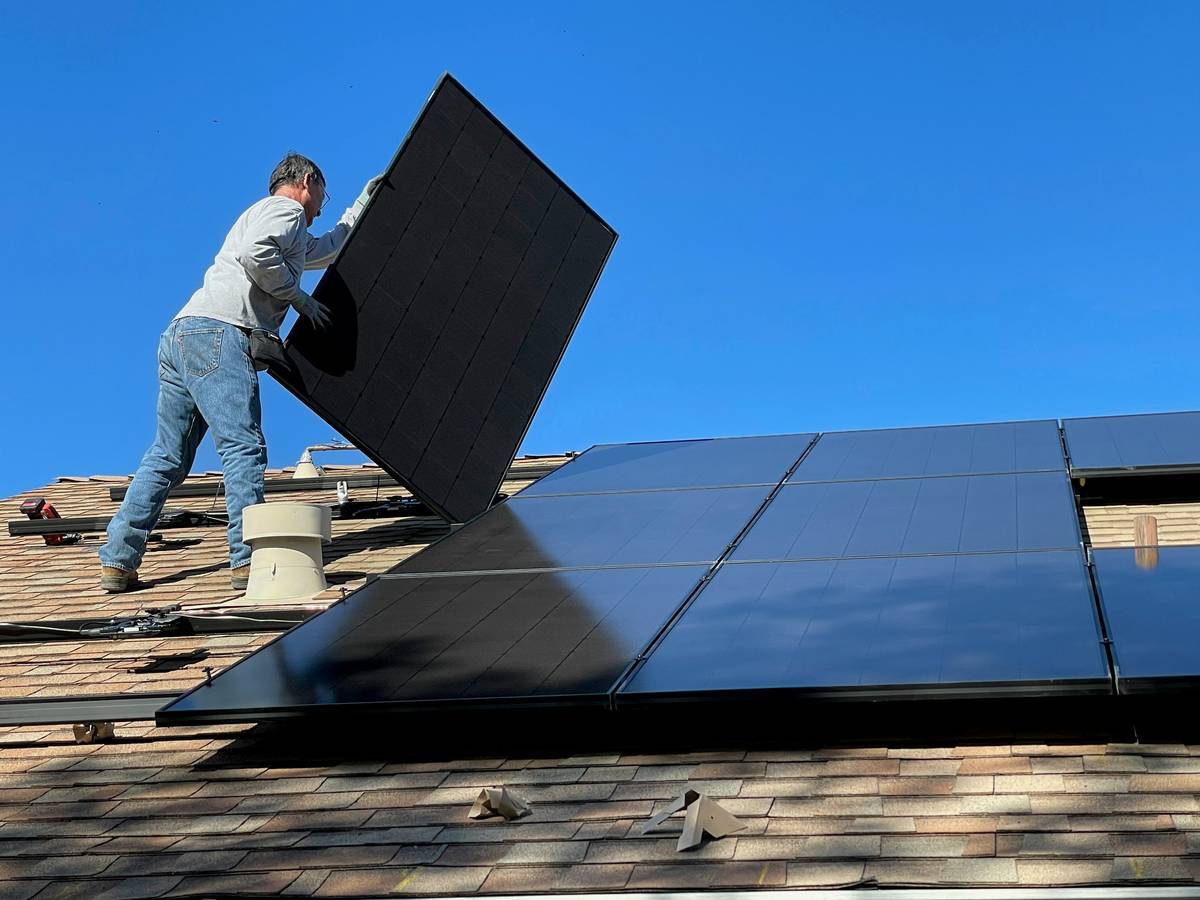
The harsh truth? Many homeowners assume their inverters’ green lights mean “all good.” Not so. Subtle issues like micro-cracks, loose MC4 connectors, or PID (Potential Induced Degradation) rarely trigger alarms but steadily degrade output. Ignoring repairs doesn’t just cost money—it risks fire hazards from faulty DC isolators, as documented by the U.S. Fire Administration (usfa.fema.gov).
Step-by-Step Guide to Diagnosing & Fixing Solar Panel Issues
1. Monitor Daily Output
Use your monitoring app (like Enphase or SolarEdge) to check for sudden or gradual dips. Compare today’s kWh against historical averages for similar weather. A 10%+ drop warrants investigation.
2. Conduct a Visual Inspection
From ground level (or with binoculars), scan for:
- Cracked glass or delamination
- Bird nests or heavy debris
- Rust on racking or conduit
Never climb onto the roof unless trained—fall risk isn’t worth it.
3. Check Connections & Inverter
Ensure your inverter displays no error codes. If safe, inspect AC/DC disconnects for signs of arcing or burn marks (turn off system first!).
4. Call a Certified Technician
If you spot anything suspicious, contact a licensed solar repair specialist immediately. At VJ Akademie, our team handles diagnostics and fixes while preserving your original warranty—learn more on our About Us page.
5 Essential Best Practices for Long-Term Performance
- Clean panels twice yearly: Use soft brushes and deionized water—no abrasive tools. Dust and pollen reduce efficiency by up to 15% (per NREL studies).
- Trim overhanging branches: Shade from even small leaves creates hot spots that accelerate panel degradation.
- Update firmware: Modern inverters receive efficiency-boosting updates—don’t ignore those notifications.
- Avoid “panel huggers”: Never lean ladders directly on modules—this causes micro-fractures invisible to the eye.
- Log all maintenance: Keep records for warranty claims and future resale value.
Terrible tip alert: “Just hose them off from the ground!” Nope. Hard water leaves mineral deposits that bake into coatings under UV light, permanently reducing light transmission.
Real Results: How Timely Repairs Saved Homeowners Thousands
In Phoenix, a homeowner noticed his bill spiked despite consistent sun. Our diagnostic revealed corroded grounding wires—an issue caused by monsoon humidity. Repair cost: $280. Annual savings restored: $1,100. Over the system’s life, that’s a $16,500 net gain.
Meanwhile, a Denver family avoided a catastrophic failure when thermal imaging spotted a faulty bypass diode before it ignited. Their quick action—prompted by unusual midday output drops—prevented potential roof damage estimated at $12,000. These aren’t outliers; they’re proof that vigilance turns solar energy panels home benefits from theoretical to tangible.
For deeper insights, the Department of Energy’s comprehensive guide on residential solar maintenance offers verified protocols (energy.gov).
Frequently Asked Questions
How often should solar panels be serviced?
Most manufacturers recommend professional inspections every 2–3 years, but monitor output monthly. Clean panels biannually if you live in dusty or high-pollen areas.
Do minor cracks ruin solar panel efficiency?
Yes—even hairline fractures can increase resistance and cause hot spots. While output might not drop immediately, long-term degradation accelerates. Always get cracked panels assessed.
Can I claim solar repairs on my home insurance?
Sometimes. Damage from storms, fire, or vandalism is typically covered, but wear-and-tear isn’t. Document everything and review your policy. We outline data handling practices transparently in our Privacy Policy.
Will repairs void my warranty?
Only if done by uncertified technicians. Always use NABCEP-certified professionals to maintain manufacturer coverage.
How do I know if my inverter is failing?
Look for flickering status lights, error codes (like “Ground Fault”), or complete silence during daylight hours. Most modern inverters last 10–15 years—replace proactively near end-of-life.
Conclusion
Maintaining your solar array isn’t just technical upkeep—it’s protecting your biggest home upgrade. The full solar energy panels home benefits only shine through consistent care, smart monitoring, and rapid response to faults. Don’t wait for your next utility bill to reveal hidden losses.
Ready to ensure your system runs at peak performance? Our certified technicians offer same-week diagnostics and repairs across the region. Contact us today for a free efficiency assessment—and reclaim every watt you paid for.
Remember: sunshine is free, but wasted energy isn’t.