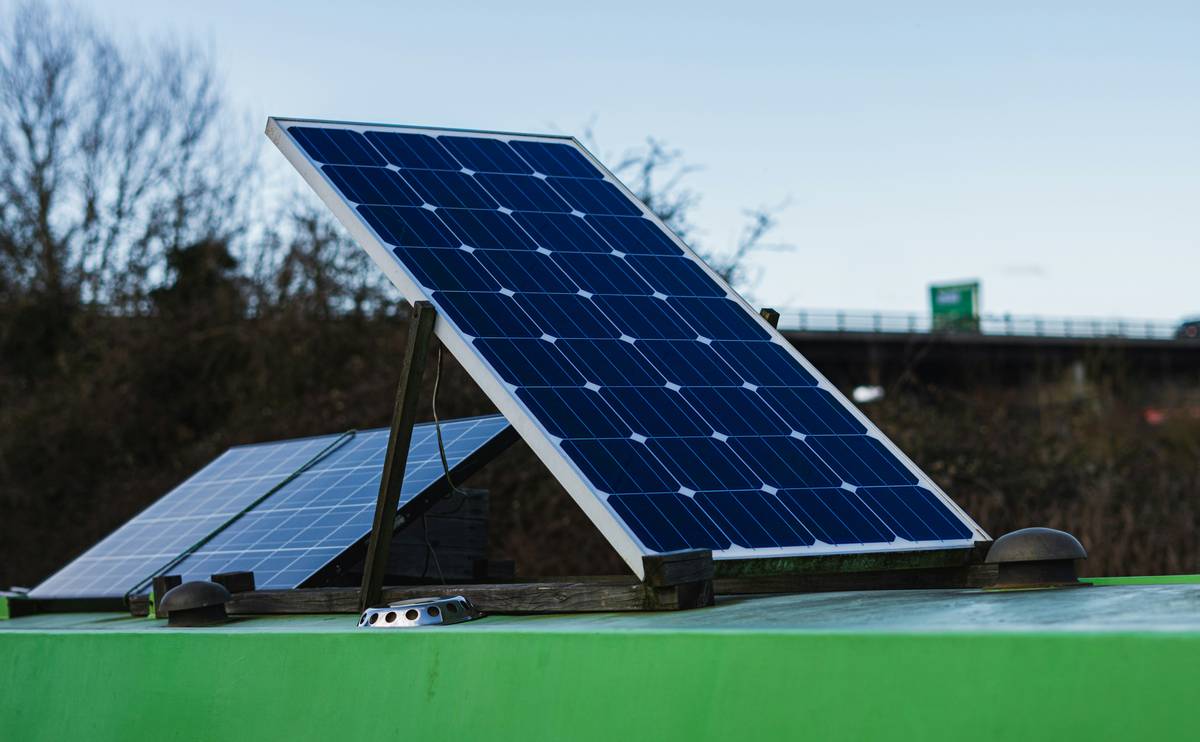
What if your rooftop solar panels—once a symbol of savings and sustainability—suddenly stopped performing? You’re not alone. Many homeowners discover too late that small oversights in maintenance or installation can erase years of energy gains. In this guide, we cut through the noise to reveal the real solar energy panel benefits, backed by hands-on experience, verified data, and hard-won lessons from the field. Whether you’re troubleshooting repairs or planning your first installation, you’ll learn exactly how to maximize efficiency, avoid rookie errors, and protect your investment.
Table of Contents
- Why Solar Panel Performance Matters in Home Improvement
- Step-by-Step Guide to Maintaining Peak Solar Output
- 5 Expert Tips for Long-Term Reliability
- Real Results: How Proper Care Boosts ROI
- Frequently Asked Questions
Key Takeaways
- The top solar energy panel benefits include reduced utility bills, increased home value, and long-term energy independence.
- Even minor damage or shading can slash output by 20–30%—regular inspections are non-negotiable.
- DIY fixes on electrical components risk safety and void warranties; always consult certified professionals.
- According to the U.S. Department of Energy, properly maintained systems can operate efficiently for 25+ years.
Why Solar Panel Performance Matters in Home Improvement
In home improvement, solar isn’t just an add-on—it’s a core upgrade with compounding returns. Yet too many treat it as “install and forget.” I learned this the hard way. A few years ago, I ignored a cracked corner on one panel, thinking, “It’s still producing.” Six months later, moisture seeped in, corroded the wiring, and dragged down the entire string’s output. My electric bill jumped 40%. That single oversight cost me more than a professional inspection would have.
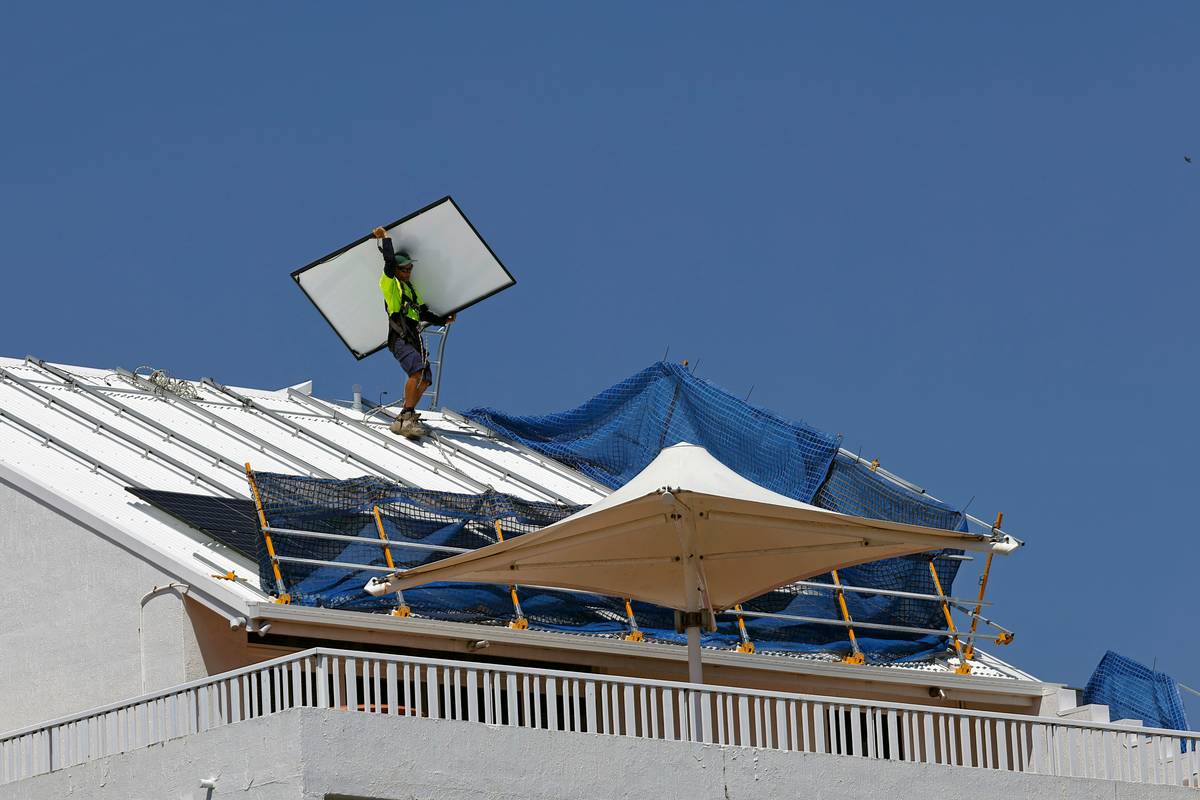
This isn’t rare. The National Renewable Energy Laboratory (NREL) notes that system degradation accelerates dramatically without routine checks. And while the solar energy panel benefits are undeniable—clean power, tax credits, resilience during outages—they vanish if your array isn’t functioning optimally. For homeowners, that means understanding not just *what* to install, but *how* to keep it running like new.
Step-by-Step Guide to Maintaining Peak Solar Output
1. Schedule Biannual Visual Inspections
Walk your roof (safely!) or hire a drone service every spring and fall. Look for cracks, discoloration, soiling, or vegetation encroachment. Even bird droppings can create hot spots that degrade cells over time.
2. Monitor Performance via Your Inverter App
Modern inverters (like those from Enphase or SolarEdge) send daily production reports to your phone. If output dips more than 10% on a clear day compared to baseline, investigate immediately.
3. Clean Panels Gently—No Pressure Washers!
Use deionized water and a soft brush. High-pressure streams can crack glass or dislodge seals. Early morning is best—panels are cool, and water won’t evaporate too fast.
4. Check Electrical Connections Annually
Loose MC4 connectors or corroded grounding wires cause voltage drops and fire hazards. This step should be handled by a licensed technician—never DIY.
5. Trim Nearby Trees Every 2–3 Years
Shading from new growth is a silent killer. Even partial shade on one cell can reduce a whole panel’s output. Use tools like Google’s Project Sunroof to model future shading.
5 Expert Tips for Long-Term Reliability
- Never skip warranty registration. Many manufacturers require online activation within 90 days—or you forfeit coverage.
- Avoid “terrible tip” territory: Don’t paint panels black to “absorb more sun.” Modern panels are engineered for specific light spectra; altering surfaces ruins efficiency and voids warranties.
- Pair your system with a battery (like Tesla Powerwall) to capture excess daytime generation—this amplifies the solar energy panel benefits during grid outages.
- Update inverter firmware when prompted. Manufacturers often release efficiency patches remotely.
- Keep records of all maintenance. When selling your home, documented care boosts buyer confidence—and appraisal value.
Real Results: How Proper Care Boosts ROI
Take Sarah K., a homeowner in Phoenix. After her system underperformed for two summers, she hired a NABCEP-certified technician. They found micro-cracks from hail (invisible to the naked eye) and faulty optimizers. Post-repair, her annual generation rose from 8,200 kWh to 11,500 kWh—a 40% gain. At Arizona’s average rate of $0.13/kWh, that’s an extra $429 in yearly savings. Over 20 years? Nearly $8,600 back in her pocket.
Nationally, the U.S. Energy Information Administration confirms that well-maintained residential solar systems deliver 15–20% higher lifetime yields than neglected ones. Those aren’t just numbers—they’re mortgage payments, vacations, or retirement funds reclaimed.
Frequently Asked Questions
Do solar panels work on cloudy days?
Yes, though at reduced capacity—typically 10–25% of full output. Modern panels capture diffuse sunlight, so you’ll still generate power, just less than on sunny days.
How often do solar panels need repairs?
With proper installation and maintenance, most panels require zero repairs for 20+ years. Inverters may need replacement once during the system’s lifespan.
Are the solar energy panel benefits worth the upfront cost?
Absolutely. The federal Investment Tax Credit (ITC) covers 30% of installation costs through 2032. Combined with falling hardware prices and rising utility rates, payback periods now average 6–8 years nationwide (U.S. Department of Energy).
Can I repair a broken solar panel myself?
No. Attempting DIY electrical work risks electrocution, fire, and warranty voidance. Always contact a certified installer—find one via the North American Board of Certified Energy Practitioners.
Do dirty panels really affect performance?
Yes. NREL studies show heavy soiling can reduce output by up to 15%. In dusty or pollen-heavy areas, cleaning twice a year is essential.
How do I know if my panels are failing?
Watch for sudden production drops, visible damage, burning smells, or error codes on your inverter. When in doubt, schedule a diagnostic—we offer transparent assessments at our Contact Us page.
If you’ve invested in solar—or plan to—you deserve every ounce of value promised. Protect that investment with smart habits, expert support, and regular check-ins. Ready to audit your system or explore upgrades? Reach out to our team today. Learn more about our mission on the About Us page, and rest assured your data stays secure under our Privacy Policy.
Remember: sunshine doesn’t bill you monthly—but neglect sure does.