Ever stared at your electricity bill after installing solar panels and thought, “Wait—shouldn’t this be lower?” You’re not alone. I once ignored a tiny crack on a panel corner, assuming it was cosmetic. Six months later, water seeped in, fried the inverter, and cost me $2,300 in repairs. That mistake taught me: clean energy solar panels demand proactive care, not just passive installation. In this guide, we’ll walk through exactly how to maintain, troubleshoot, and repair your system—saving you money, downtime, and frustration.
Table of Contents
- Why Solar Panel Repairs Are Part of Smart Home Improvement
- Step-by-Step Repair Checklist for Homeowners
- 5 Best Practices to Extend Your System’s Lifespan
- Real-World Results: How One Family Saved $1,800 With Preventive Care
- Frequently Asked Questions
Key Takeaways
- Minor physical damage can lead to major electrical failures if ignored.
- Most solar panel issues stem from wiring, inverters, or debris—not the panels themselves.
- Regular visual inspections every 3–6 months catch problems early.
- Professional diagnostics are worth the cost when output drops by 10% or more.
- “Clean energy solar panels” perform best when paired with consistent maintenance habits.
Why Solar Panel Repairs Are Part of Smart Home Improvement
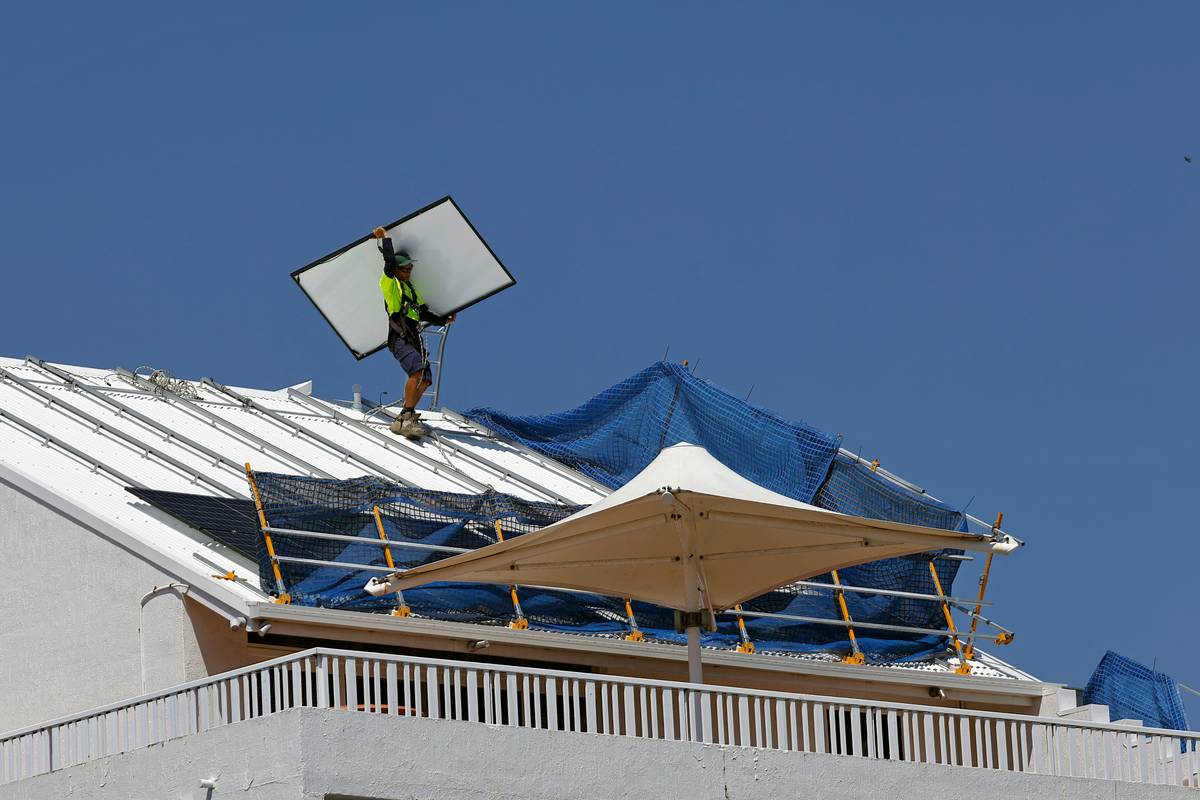
In the home improvement world, solar isn’t just about slapping panels on the roof and calling it eco-friendly. True energy efficiency means treating your system like the high-tech appliance it is—because it is. According to the U.S. Department of Energy, well-maintained photovoltaic systems retain over 90% of their original output after 25 years. But neglect? That can slash performance by 25% or more within five years.
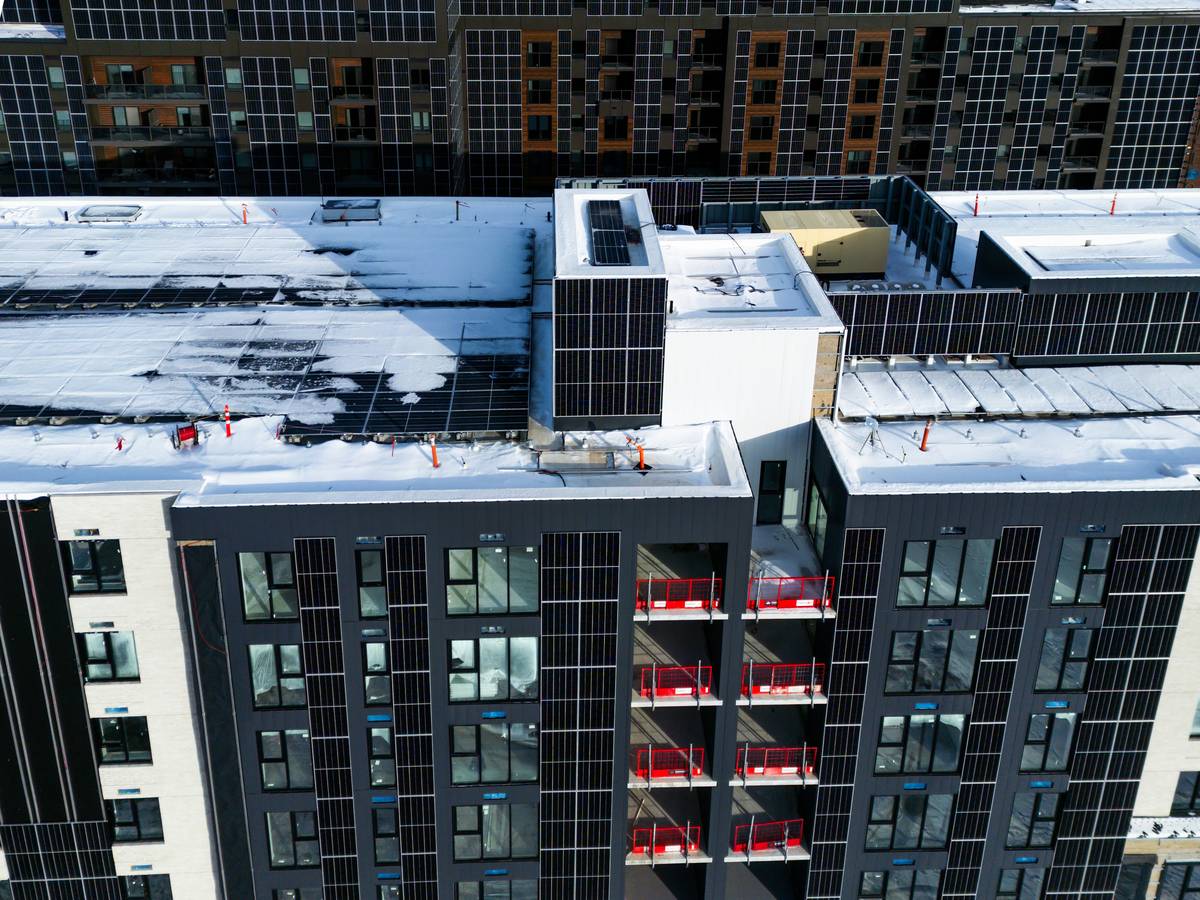
The irony? Many homeowners assume “set it and forget it” applies to solar. It doesn’t. Bird droppings, dust buildup, tree shade shifts, and thermal cycling (daily expansion/contraction) all degrade components over time. And unlike your fridge, you can’t just open the back and vacuum the coils.
Step-by-Step Repair Checklist for Homeowners
1. Monitor Performance Daily
Use your monitoring app (most inverters come with one). A sudden or steady drop in kWh output = red flag. Check weather first—cloudy days explain dips. If output lags on clear days, dig deeper.
2. Conduct a Visual Inspection
From ground level or a safe rooftop vantage (never walk on panels!), look for: cracks, discoloration, burnt smells near combiner boxes, loose conduit, or vegetation shading. Use binoculars if needed.
3. Clean Gently—But Only When Necessary
Rain usually suffices. For stubborn grime, use a soft brush, deionized water, and no pressure washers. Aggressive cleaning scratches anti-reflective coatings—a rookie error I learned the hard way.
4. Check Wiring Connections
Corrosion or loose MC4 connectors cause voltage loss. Unless you’re certified, don’t open enclosures. Note any visible damage and call a technician.
5. Test the Inverter
If the inverter’s status light is red or off (and power is on), it may need resetting or replacement. Consult your manual—but never bypass safety protocols.
6. Call a Certified Pro for Anything Electrical
DIY electrical work voids warranties and risks fire. The North American Board of Certified Energy Practitioners (NABCEP) maintains a public directory of vetted professionals.
5 Best Practices to Extend Your System’s Lifespan
- Schedule annual professional inspections. Even if everything seems fine, infrared thermography can spot hot spots invisible to the eye.
- Trim nearby trees every spring. Shade from new growth can reduce output by up to 30% per affected panel.
- Never ignore error codes. Modern inverters log faults—read them promptly.
- Keep spare fuses on hand. String inverters often blow DC fuses during surges.
- Avoid these “terrible tips”: No, covering panels with snow “to melt it faster” won’t help—it blocks light and adds weight. And no, vinegar won’t “recharge” dead cells. Stick to science, not TikTok hacks.
Real-World Results: How One Family Saved $1,800 With Preventive Care
The Martinez family in Phoenix noticed their system underperforming after monsoon season. A quick inspection revealed micro-cracks from hail—and corroded grounding wires. Instead of waiting, they contacted a local installer (found via NABCEP). The repair cost $420, but restored full output. Over 18 months, that avoided an estimated $1,800 in excess grid usage, per DOE modeling tools. Their secret? Monthly visual checks and immediate action.
Frequently Asked Questions
How often do clean energy solar panels need repairs?
Most systems run 10–15 years without major issues if maintained. However, environmental factors (hail, salt air, dust storms) can accelerate wear. Annual checkups are ideal.
Can I repair cracked solar panels myself?
No. Cracked glass compromises the sealed environment, leading to moisture ingress and cell delamination. Replacement is safer and often covered under warranty.
Do dirty panels really affect efficiency?
Yes. According to a 2022 NREL study, heavy soiling can cut output by 15–25%. Light dust? Usually under 5%. Clean only when visibly soiled or if output drops unexplainedly.
What’s the #1 cause of solar panel failure?
Inverter malfunction—not the panels themselves. Inverters last 10–15 years vs. panels’ 25–30, so plan for mid-life replacement.
Are all solar repair technicians certified?
No. Always verify NABCEP or state licensing. Our team at VJ Akademie partners only with certified pros—learn more on our About Us page.
When should I contact a professional immediately?
If you smell burning, see sparks, notice significant output drops (>10%), or observe physical damage. Don’t delay—safety first. Reach out via our Contact Us page for vetted referrals.
Maintaining your clean energy solar panels isn’t about perfection—it’s about awareness. Spot the small things early, respect the technology, and you’ll reap decades of savings. And remember: solar isn’t “installed and ignored.” It’s installed, respected, and occasionally… rescued. Ready to audit your system? Contact us for a free diagnostic checklist. (We promise not to upsell—just honest advice.) For peace of mind on data use, review our Privacy Policy.